

Car events are more than just meetings of vehicles; they are celebrations of car culture that bring fans together from all backgrounds. From local car shows showcasing the charm of local pride to large international auto shows unveiling the latest developments, these events are a platform where passion, heritage, and innovation intersect. Whether you are a lover of classic cars or an enthusiast of cutting-edge electric vehicles, there is always something interesting to discover at a car meet.
As we venture into the vibrant realm of car events, we will take you backstage to discover what makes them so captivating. From vintage car exhibitions that honor traditional vehicles to super car events that highlight the peak of performance, each event offers a unique experience. Join us as we delve into the diversity of car exhibitions, motor events, and automotive exhibitions that captivate people around the globe, shining a light on upcoming car shows and the narratives they tell.
The Evolution of Car Shows
Vehicle showcases have come a long way since their beginning in the early 20th century, evolving from simple gatherings of car fans to major events that draw thousands of participants. In the initial phase, local car shows were primarily arranged by car clubs or automotive dealers to showcase latest vehicles and connect with car lovers in the local area. These events served as a platform for innovation, where manufacturers showcased their latest designs, while attendees shared experiences and celebrated their shared passion for cars.
As car culture developed, so did the size and diversity of shows. The introduction of classic car exhibitions marked a major milestone, allowing antique car lovers and enthusiasts to exhibit classic vehicles that represented the legacy of vehicles. These classic car shows not only emphasized the ∼workmanship of early vehicles but also fostered a feeling of nostalgia among attendees. Different themes began to surface, such as British car shows and US car exhibitions, catering to diverse preferences within the automotive community.
Today, car events encompass an variety of types, including motor shows, super car shows, and even EV auto shows, reflecting the industry's transition towards eco-friendliness and innovation. The rise of modified car shows demonstrates the imagination and individuality within the vehicle realm, celebrating originality in vehicle design. As innovations progress, so too does the way we enjoy these shows, with technology enhancements boosting participant interaction and involvement. The progress of car shows continues to fascinate audiences, proving that the love for cars transcends generations and trends.
Features of Notable Car Expositions
Automotive festivals are a exciting display of vehicle culture, bringing together lovers from various backgrounds to exhibit their enthusiasm. One of the main attractions of these events is the ability to see a wide range of cars, from retro classics to contemporary supercars. Such gatherings often offer designated areas for different types of automobiles, including classic car shows, tuned vehicle showcases, and even EV displays. This variety not only appeals to automobile enthusiasts but also teaches attendees about different automotive trends and history.
Another significant aspect of large car events is the involving activities that are planned for both participants and spectators. On-site displays, tests of skill, and participatory demonstrations enhance the experience while permitting enthusiasts to connect with the vehicle culture. Vehicle meetups often provide a platform for local organizations and vendors to showcase their works and merchandise, making it a great place to connect and find new hobbies in the vehicle scene. These engagements foster a sense of camaraderie among attendees, uniting them in their common passions.
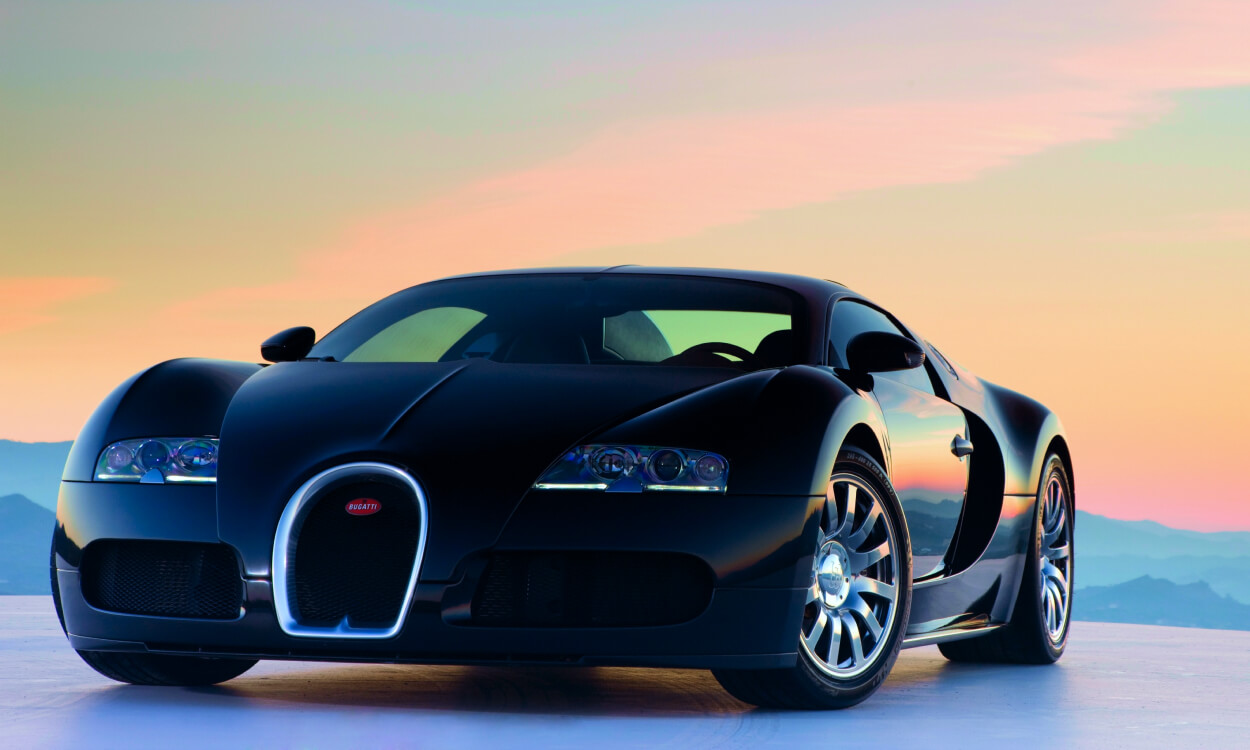
Moreover, guest speakers and expert panels are common at many automotive events. These talks provide understanding into the latest industry innovations, repair methods, and the direction of car advancements, especially with the growth of electric automobiles. By merging fun with education, festivals create an beneficial atmosphere for both veteran car aficionados and novices. In summary, major car festivals are important for preserving automotive legacy while encouraging creativity and networking within the automotive community.
Future Trends in Automotive Gatherings
As the car sector continues to evolve, the prospects of car events is set to welcome emerging technologies and developments. With the increasing popularity of EVs, we can expect to see a rise in EV auto shows that showcase breakthroughs in eco-friendliness and efficiency. These events will also exhibit electric and hybrid vehicles but also inform attendees on the positive aspects of sustainable technology in the automotive world. This shift toward sustainability will likely attract a more youthful audience that prioritizes sustainability in their consumer choices.
Furthermore, the fusion of virtual experiences in vehicle displays is on the increase. VR and augmented reality are becoming popular methods for interacting with attendees, permitting them to explore vehicles in interactive atmospheres without the limitations of a conventional environment. MotorHype could lead to a more interactive environment at multiple car festivals and motor show events, making it simpler for participants to connect with the cars and manufacturers present, irrespective of regional differences.
To wrap up, local events like regional auto meets and vehicle meetups are set to flourish as enthusiasts seek to network over common interests. The increasing accessibility of automotive culture combined with the impact of social media in planning gatherings will create a greater sense of community among car enthusiasts. This community-driven movement will ensure that classic car exhibitions and custom car exhibitions continue to flourish, honoring both legacy and modernization in the auto sector.